Mouse, Controller, or Both? PC Gaming's Input War Has No End in Sight
There's a question that can derail any gaming Discord server faster than a bad take about a beloved franchise: What do you use to play on PC?
Three words in and someone's already typing in all caps. It sounds ridiculous from the outside, but if you've spent any real time in PC gaming spaces—Reddit threads, Twitch chats, Steam forums—you already know this debate runs surprisingly deep. It's not just about hardware. It's about identity, muscle memory, and years of gaming history packed into a single input device.
So how did something as practical as "how do I control my game" turn into a full-blown culture war?
The Purists and Their Perfectly Valid Points
Let's start with the keyboard-and-mouse crowd, because they've been here the longest and they will absolutely remind you of that.
The KBM argument has always had a strong foundation in certain genres. First-person shooters, real-time strategy games, and MOBAs were essentially built for mouse precision. The ability to flick across a screen and land a headshot, or drag-select an entire army in a fraction of a second, is something a thumbstick genuinely cannot replicate at the same speed. Competitive players in titles like Counter-Strike 2 and StarCraft II don't use controllers—and there's a functional reason for that, not just tradition.
But the KBM loyalist crowd has a reputation that sometimes gets ahead of the argument. Walk into any gaming forum and suggest that you finished a first-person RPG with a controller and you'll likely encounter the raised eyebrow emoji crowd treating you like you ate cereal with orange juice. The gatekeeping can get exhausting fast.
Controllers Aren't Going Anywhere—And Here's Why
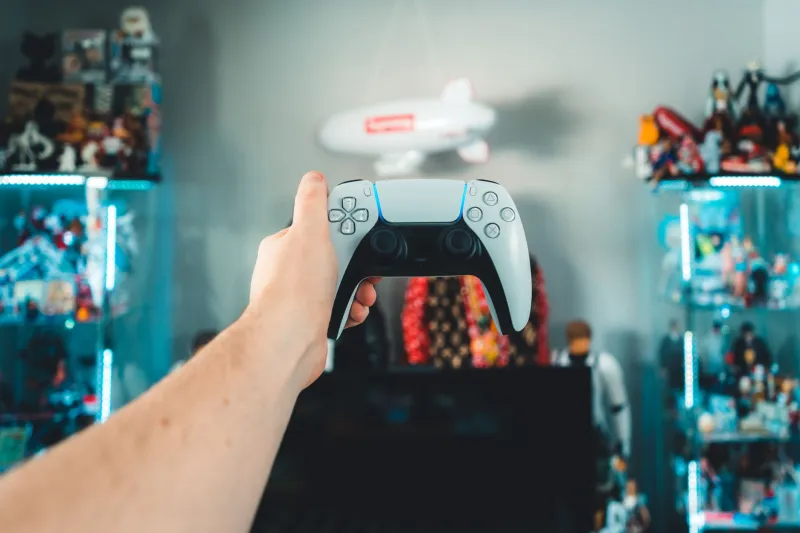
Here's the thing though: controllers have made serious inroads on PC, and the numbers back it up. Steam's controller usage data, which Valve has shared in various forms over the years, consistently shows that a significant chunk of players on the platform use a gamepad for at least some of their library. The Xbox controller in particular has become almost the default "casual PC gaming" accessory—plug it in via USB or Bluetooth and Windows recognizes it immediately. No drivers, no drama.
For certain game genres, the controller isn't just acceptable—it's genuinely better. Third-person action games, platformers, racing titles, and anything with analog movement that benefits from gradual stick input all tend to feel more natural with a gamepad. Try playing Dark Souls or Hollow Knight with a keyboard and mouse setup if you want to understand why some people made the switch and never looked back.
There's also a comfort argument that doesn't get enough credit. Sitting back on a couch with a controller in your lap hits differently than hunching over a desk. For a lot of casual-to-mid-level players who aren't grinding ranked ladders, the ergonomic appeal of a controller is a legitimate factor in how much they actually enjoy their gaming sessions.
The Hybrid Players Nobody Talks About Enough
Then there's the group that quietly does both—and somehow manages to annoy everyone.
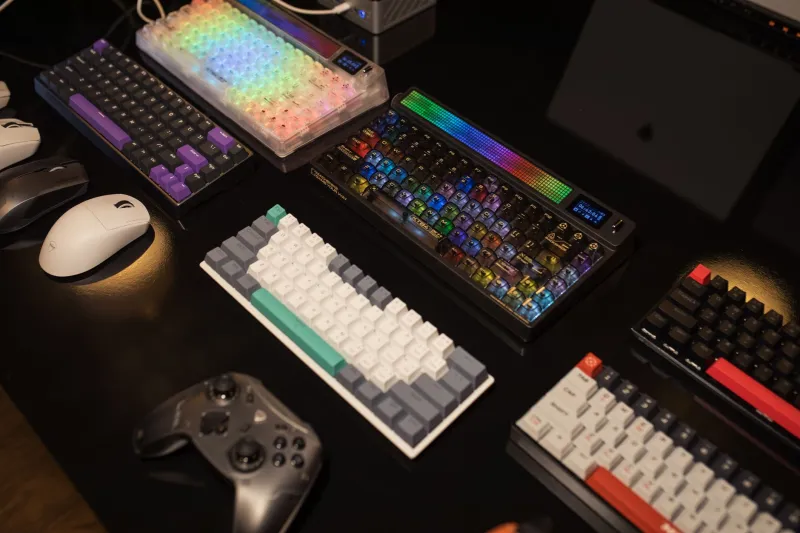
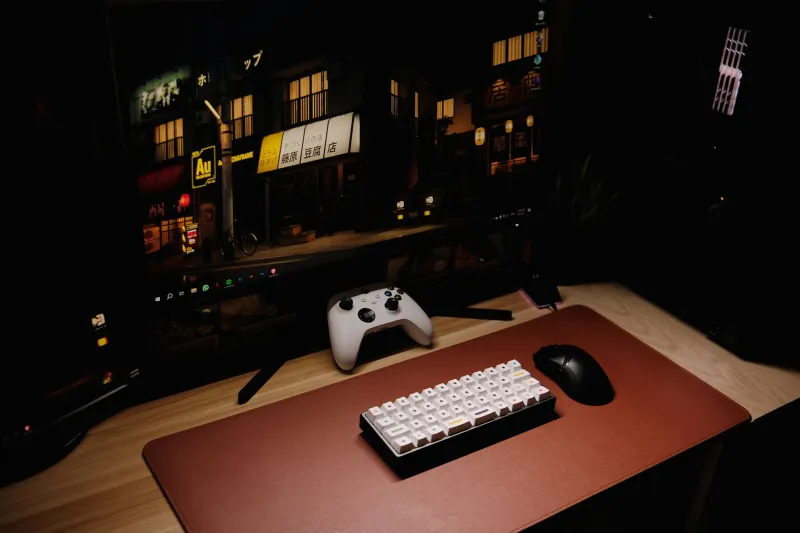
Hybrid players swap inputs based on the game. Controller for the open-world RPG, mouse and keyboard for the tactical shooter, maybe back to controller for the fighting game. They've got a stack of hardware on their desk and zero loyalty to either camp, which makes them philosophically offensive to the purists on both sides.
But honestly? The hybrid approach might be the most rational one. PC gaming's greatest strength has always been flexibility. The platform doesn't force you into one way of doing things. Why would input method be any different?
A lot of hybrid players describe it as reading the room—or rather, reading the game. "I don't think about it that much," one player in a Steam community thread put it. "If the game was designed around a controller, I use a controller. If it wasn't, I don't." Simple as that. No manifesto required.
Why This Debate Gets So Emotional
Here's where it gets interesting from a culture standpoint. Surveys and community polls on this topic—and there have been plenty of informal ones floating around Reddit and various gaming communities—consistently show that people aren't just defending a preference. They're defending a version of themselves.
For a lot of older PC gamers, the keyboard and mouse represents an era. It's tied to LAN parties, to building your first rig, to the specific culture of PC gaming as something distinct from console gaming. Switching to a controller feels, to some of them, like a kind of concession—like admitting the lines between platforms don't matter anymore.
For younger players who grew up on consoles before migrating to PC, a controller is the familiar thing. It's what gaming feels like in their hands. Asking them to default to KBM for everything is asking them to relearn a physical skill they never needed before.
And then there's the game design angle, which is where things get genuinely complicated. When a developer builds a PC game with obvious controller-first UI—giant button prompts, menu navigation that screams "this was designed for a thumb"—KBM players feel disrespected. When a game launches on PC with no controller support at all, controller users feel abandoned. Both groups have real grievances, and both tend to express those grievances loudly.
What Game Developers Are Actually Doing About It
The smarter studios have started building for both without trying to pretend there's one universal answer. Games like Elden Ring and Hades are frequently cited as examples that handle dual-input support well—they don't favor one over the other to the point of making either feel broken. The UI adapts, the controls are rebindable, and neither camp walks away feeling like an afterthought.
Steam Input, Valve's controller configuration system, has also quietly become a powerful equalizer. It lets players remap virtually any input to any control scheme, which means even games that weren't designed with controllers in mind can be made to work reasonably well with one. It's not a perfect fix, but it's proof that the platform is at least acknowledging that its users don't all play the same way.
The Verdict Nobody Wants to Hear
There isn't one. And that's kind of the point.
The PC gaming input debate isn't going to resolve itself because it was never really about which device is objectively better. It's about how different people experience the same hobby—and how much of their identity gets wrapped up in the specifics of that experience.
Keyboard and mouse players aren't wrong. Controller players aren't wrong. Hybrid players who switch based on the game are probably the most strategically sound, but they'll never win a culture war because they've already opted out of having one.
What's actually worth paying attention to is how this divide shapes the games that get made and how they perform on PC. Developers who ignore either group do so at their own commercial risk. And players who treat their input method as a moral stance are probably putting a little too much weight on what is, at the end of the day, a peripheral.
But hey—try telling that to the guy who just spent $200 on a custom keycap set.