Stuck Holding the Bag: The Brutal Truth About Selling Your Old Gaming GPU Right Now
There's a specific kind of disappointment that hits when you list your graphics card on eBay, price it at what feels like a reasonable ask, and then just... wait. Days pass. Maybe a lowball offer rolls in — something so insulting you almost laugh. You check the sold listings and realize the market has moved on without you. The card you dropped $700 on two years ago is now competing with a pile of near-identical hardware being offloaded for next to nothing. Welcome to the great GPU graveyard.
It's not just your imagination. The secondary market for graphics cards and gaming PCs has quietly collapsed in ways that are genuinely painful for enthusiasts, hobbyist builders, and anyone who thought their hardware investment would hold some value. Understanding why this happened — and who's really to blame — is a lot messier than most people expect.
How We Got Here
To make sense of the current mess, you have to rewind to 2020 and 2021. During the pandemic-era chip shortage, GPUs became absurdly scarce. Scalpers, crypto miners, and desperate gamers all competed for the same limited supply, driving prices to surreal heights. An Nvidia RTX 3080 that retailed around $700 was flipping for $1,500 or more on the secondary market. People paid it because they had no choice — or because they were convinced it was a smart investment.
Then the crypto market cratered. Ethereum's shift to proof-of-stake in late 2022 essentially made GPU-based mining obsolete overnight. Suddenly, thousands of mining operations across the country started liquidating their hardware. Cards that had been running 24/7 in dusty warehouses flooded platforms like eBay, Facebook Marketplace, and Craigslist — often at prices that undercut even used gaming cards in much better condition. Buyers had every reason to be skeptical, and sellers had very little leverage.
At the same time, Nvidia and AMD kept releasing new GPU generations at a steady clip. Each new release doesn't just make older cards less desirable — it actively destroys their resale value. When the RTX 4000 series launched, RTX 3000 cards took an immediate hit. Now with next-gen hardware already being teased and mid-cycle refreshes landing on shelves, even relatively recent cards feel like they're aging in dog years.
The Enthusiast's Dilemma
For hardcore PC gamers who upgrade frequently, this creates a genuinely frustrating situation. The traditional upgrade cycle used to make some financial sense: buy a high-end card, use it for a couple of years, sell it for 40–60% of what you paid, put that toward your next build. That math doesn't really work anymore.
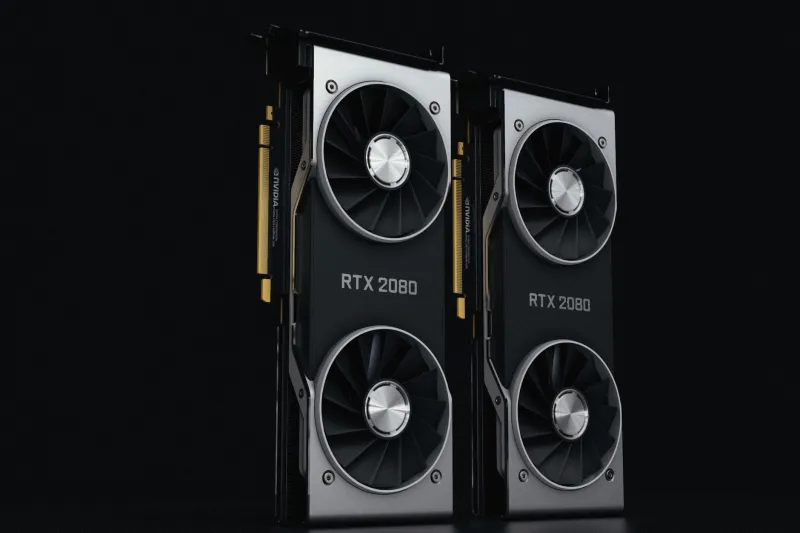
Right now, a used RTX 3080 might fetch somewhere between $250 and $350 on a good day — if it sells at all. That's a steep drop from what people paid during the shortage. Older cards like the RTX 2080 Ti, which once commanded premium prices as a flagship option, are practically being given away. Nobody wants them because newer, more efficient options are available at similar or lower price points brand new.
The people getting hurt most aren't just casual upgraders. Enthusiasts who built high-end systems specifically to resell — a common hustle during the GPU shortage era — are sitting on inventory they can't move. Some of them bought cards expecting the market to stay elevated. It didn't.
Miners Made It Worse (Obviously)
It would be unfair to pin everything on crypto miners, but they definitely didn't help. The sheer volume of hardware that hit the market post-Ethereum merge was staggering. And because mining hardware gets used hard — constant load, high temperatures, sometimes questionable cooling setups — buyers are right to be cautious. You can't always tell how a card was used just by looking at it.
This trust problem has made the entire used GPU market feel riskier. Even a card that was babied by a gamer has to compete with suspiciously cheap mining surplus, and that perception gap is hard to overcome. Sellers who want to distinguish their hardware as "gaming only, never mined" are fighting an uphill battle because there's no reliable way to verify those claims.
What This Means for Upgrade Cycles Going Forward
Here's the uncomfortable takeaway: GPUs may no longer be the kind of depreciating asset you can partially recoup. The upgrade-and-resell model that PC enthusiasts relied on for years is under serious pressure, and there's no clear sign it's coming back.
Part of this is structural. The GPU market has matured. Supply chains are more stable. New generations are arriving faster. And with AI workloads driving demand for high-end compute hardware, manufacturers are increasingly focused on data center sales rather than consumer sentiment. The gaming GPU market, while still massive, is no longer the main event for companies like Nvidia.
For everyday gamers, this probably means holding onto hardware longer before upgrading. The old logic of "I'll upgrade every two years because I can sell my current card" needs a serious rethink. Buying a card that fits your needs and planning to run it for three to five years is increasingly the smarter play — not because the hardware lasts longer, but because the exit strategy has gotten a lot harder.
Is There Any Silver Lining?
Depends on which side of the transaction you're on. If you're a buyer, this market is genuinely great. You can pick up capable mid-range hardware for a fraction of what it cost at launch. An RTX 3070 or an RX 6700 XT at current used prices offers solid 1080p and 1440p gaming performance for a fraction of what new high-end cards cost. Budget builders have more options than they've had in years.
For sellers, though, the advice is harder. If you're holding onto older hardware hoping prices recover, you're probably going to be disappointed. The GPU market doesn't really work like that — unlike sneakers or trading cards, there's no nostalgia premium waiting for your RTX 3090. If anything, values will keep sliding as newer options continue to arrive.
The best move, if you're stuck with hardware you want to offload, is to be realistic about pricing, be transparent about the card's history, and move it sooner rather than later. Waiting rarely helps.
The Bigger Picture
The GPU graveyard is a useful reminder that tech hardware, no matter how premium it feels at the time of purchase, is still a consumable. It gets replaced. It loses relevance. And in a market as volatile as graphics cards have been over the past five years, the idea that you're making a sound financial investment when you buy one is a stretch.
That doesn't mean you shouldn't buy good hardware — it means you should buy it for the right reasons. If a card makes your games look incredible and runs smoothly for the next few years, that's the value. Hoping to flip it later? That ship has pretty much sailed.