Beyond the Stream: How Gaming's Biggest Names Are Building Empires While You Watch
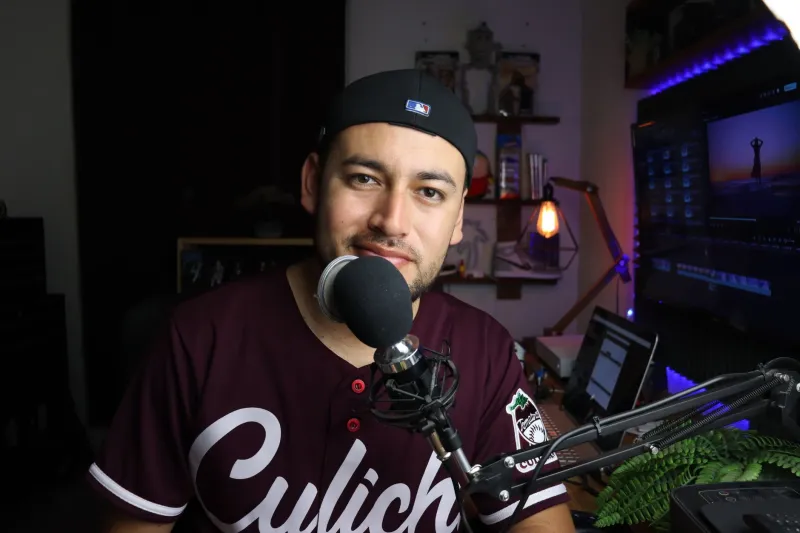
There's a moment during almost every big gaming stream where the host pauses mid-game, glances at the camera, and casually drops a mention — maybe it's a new hoodie drop, a podcast episode, or a limited-edition collab with a brand you've never heard of. It feels organic. It feels like just another part of the content. But behind that casual mention? There's frequently a multi-tiered business operation running in the background that most viewers never fully see.
The biggest names in gaming streaming have quietly stopped being just streamers. They're becoming something closer to entertainment conglomerates — and the gaming community is only just starting to notice.
The Platform Is Just the Stage
For years, the conventional wisdom around Twitch and YouTube Gaming was simple: build an audience, monetize through ads and subscriptions, maybe land a few brand deals. That was the ceiling. That was the whole game.
That model still exists, but the creators who are actually building long-term financial security have figured out something crucial — the platform is not the business. The platform is the audience-gathering tool. The business lives somewhere else entirely.
Valkyrae is a prime example. She's one of the most-watched female streamers in the world, but her brand footprint extends well past her streaming hours. Her co-ownership stake in 100 Thieves — one of esports' most aggressively lifestyle-forward organizations — gave her equity in a company that sells streetwear, operates content studios, and partners with brands like Cash App and HyperX. That's not a streamer with a side hustle. That's a media executive who also happens to stream.
Sykkuno, on the other hand, took a different path. His jump from Twitch to YouTube Gaming in 2022 wasn't just a platform switch — it was a negotiation move that reportedly came with financial guarantees and creative control provisions that Twitch simply wasn't offering. His audience followed. His leverage grew. And with that leverage came opportunities that have nothing to do with what game he's playing on any given Tuesday.
Merch as the First Domino
Merchandise is almost always the first move. It's low-barrier, highly visible, and does double duty as both a revenue stream and a walking billboard. But the evolution of creator merch over the last few years has been genuinely interesting to watch.
Early creator merch was, frankly, kind of bad — basic tees with a logo slapped on, sold through a third-party print-on-demand service. That era is mostly over. The streamers operating at the highest level now are working with actual fashion designers, running limited drops that sell out in minutes, and treating their merch lines like standalone brands rather than afterthoughts.
100 Thieves built an entire identity around this approach, with Valkyrae's involvement helping bridge the gap between gaming culture and streetwear credibility. Ludwig's merch operation has similarly evolved from simple branded goods into something with genuine aesthetic intentionality. These aren't souvenirs. They're positioning plays.
Podcasts, Media Ventures, and the Long Game
Audio content has become a surprisingly important piece of the puzzle. Streamers with established audiences have discovered that podcasts extend their reach into commutes, gym sessions, and moments when a live stream simply isn't practical. More importantly, podcasts attract different advertisers — ones who aren't necessarily gaming-adjacent.
This is where the audience diversification really starts to happen. A gaming streamer who also runs a successful general-interest podcast is no longer just a gaming creator. They're a media personality. That distinction opens doors that the "gaming streamer" label keeps shut.
The venture capital angle is newer and honestly more surprising to a lot of people outside the industry. But it's real. Several high-profile creators have started making early-stage investments in gaming startups, creator economy tools, and adjacent tech companies. This isn't just rich people putting money somewhere — it's strategic positioning. When you're invested in the infrastructure of the creator economy, you have skin in the game in a very different way. Your success and the success of the broader ecosystem become intertwined.
Platform Dependency Is the Enemy
Here's the thing that ties all of this together: every single one of these moves — the merch, the podcasts, the equity deals, the investments — is fundamentally about reducing dependence on any single platform.
Twitch has had a rough few years. Policy changes, revenue split controversies, and high-profile departures have rattled creator confidence in the platform's long-term stability as a business partner. YouTube Gaming has made aggressive plays to poach talent. New platforms keep emerging and mostly failing. The landscape is genuinely unstable.
The smartest creators recognized this instability early and started building accordingly. If Twitch disappeared tomorrow — and obviously that's not happening, but bear with the hypothetical — the streamers with diversified operations would be fine. Their audience relationships exist across multiple touchpoints. Their revenue doesn't live or die with one platform's algorithm.
The ones who built everything on a single platform's subscription and ad revenue? That's a much scarier scenario.
What This Means for the Rest of Us
From a viewer standpoint, this shift is mostly invisible unless you're paying attention. You tune in, you watch the stream, you laugh at the clips. The business mechanics running underneath the content don't really change the experience of watching.
But it does change the relationship in subtle ways. When your favorite streamer is also a business owner, an investor, and a brand, their content decisions start to reflect that. What they play, what they promote, what communities they align with — these choices carry more weight when there's a larger enterprise attached to them.
That's not inherently bad. Creator-owned entertainment is genuinely exciting as a concept. The idea that gaming audiences can serve as the foundation for entirely new media companies — ones that don't answer to traditional Hollywood gatekeepers or corporate network executives — is kind of remarkable when you sit with it.
But it does ask something of viewers: a little more awareness about what you're actually watching, and who benefits when you do.
The Blueprint Is Already Written
The creators who figured this out first have essentially written a playbook that mid-tier and emerging streamers are now following in real time. Build the audience on platform. Convert that audience into a community with its own identity. Monetize that community through owned channels — merch, memberships, exclusive content. Use the revenue and the visibility to attract investment and partnership opportunities that exist completely outside the gaming ecosystem.
Rinse. Repeat. Scale.
It's not glamorous when you lay it out that way. But it's working. And it's quietly reshaping what it means to be a gaming creator in America in 2024 — from someone who plays games for an audience into someone who runs a company that happens to include playing games for an audience.
The stream is still the show. But the show is no longer the whole business.

