From Tokyo to Twitch: How Anime Became Gaming Culture's Most Powerful Aesthetic
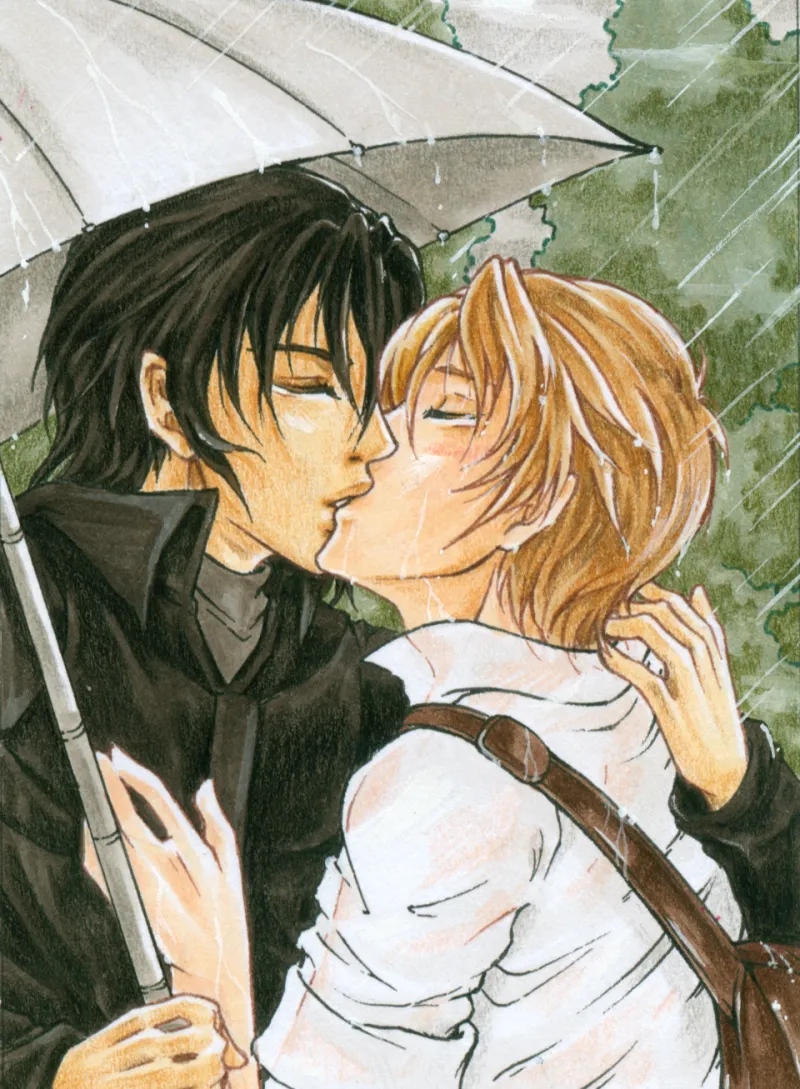
Photo: Sen Cross, Hiji and Ryo at Animexx, CC BY-SA 3.0, via Wikimedia Commons
Walk into any major gaming convention in the US right now and pay attention to what people are wearing. Sure, you'll see the expected — Halo Spartans, Minecraft creepers, the occasional Mario. But look closer and you'll notice something that would've raised eyebrows a decade ago: the line between gaming cosplay and anime cosplay has essentially dissolved.
Somebody's dressed as Jinx from Arcane standing next to someone in a Demon Slayer costume, and nobody's treating those as different fandoms. They're the same crowd. That's not an accident — it's the visible result of a slow-burning cultural convergence that's been building for years and has now gone fully mainstream.
Anime Aesthetics Didn't Sneak Into Gaming — They Were Invited
Let's not pretend this happened organically without any deliberate choices from studios. Game developers — particularly in the indie space, but increasingly at the AAA level — have been actively embracing anime-inspired visual styles because they work.
Look at something like Genshin Impact, which took the US mobile gaming market by storm and introduced millions of American players to a visual language pulled directly from Japanese RPG and anime traditions. Or Persona 5, which used its striking anime art direction to become a cultural talking point far beyond its niche JRPG audience. These weren't accidents of taste — they were deliberate aesthetic choices that resonated with audiences who grew up watching Naruto on Cartoon Network and Attack on Titan on Crunchyroll.
Even Western-developed games are borrowing from the playbook. Hades has visual DNA that owes something to anime's expressive character design tradition. Hi-Fi Rush leans into a stylized, almost animated aesthetic that feels spiritually adjacent to something you'd see on a Saturday morning cartoon block — if that block was produced in Tokyo.
The Crunchyroll Generation Grew Up and Started Buying Games
There's a generational piece to this that's easy to miss if you're not paying attention. Millennials who grew up with Dragon Ball Z and Pokémon are now in their 30s with disposable income. Gen Z came up on streaming anime as completely normal entertainment — not a niche hobby, not something you had to explain to your friends, just... content they watched alongside everything else.
For these demographics, there's no meaningful cultural wall between loving Elden Ring and loving Jujutsu Kaisen. The aesthetics, the storytelling traditions, the community spaces — they've all blended together. Twitch chat during a big game launch looks like an anime forum. Discord servers for games routinely share fan art that's indistinguishable in style from anime fan communities.
This isn't a small shift. It's a fundamental change in what American gaming culture looks like and what its participants expect from the media they consume.
Conventions Are Where the Merger Gets Real
If you want to see this convergence in its most concrete form, spend a weekend at an event like Anime Expo in Los Angeles or Otakon on the East Coast. These events, which started as strictly anime-focused gatherings, now feature massive gaming halls, game publisher booths, and panels where the line between anime and gaming content is genuinely blurry.
Similarly, events like PAX have expanded their cultural footprint to accommodate anime-adjacent content, fan art, and cosplay communities that don't fit neatly into a "gaming" box but belong there now anyway. The audience has made the decision for the organizers — these fandoms share enough overlap that trying to keep them separate is more trouble than it's worth.
This is also showing up in merchandise, streaming content, and brand partnerships. Companies targeting gaming audiences are increasingly treating anime fans as the same market segment, because the data backs that up.
What This Means for Storytelling and Character Design
Beyond aesthetics, the anime influence is reshaping what American gaming audiences expect from narrative and character work. Anime storytelling traditions — longer emotional arcs, morally complex protagonists, found-family dynamics, dramatic power escalation — are increasingly showing up in games that want to connect deeply with players.
Games like Final Fantasy XVI leaned hard into anime-style dramatic storytelling in ways that previous Western-facing entries in the franchise had softened. The response from American audiences was largely enthusiastic. Players raised on anime are comfortable with that emotional register. They don't find it overwrought — they find it satisfying.
Character design has shifted too. The hyper-expressive, visually distinctive character archetypes common in anime have influenced how Western studios think about making memorable protagonists. When Arcane dropped on Netflix and became a massive hit, part of what resonated was its willingness to embrace a stylized, emotionally expressive visual approach that owes a clear debt to anime even while being distinctly its own thing.
This Isn't a Trend — It's a New Baseline
Some people in gaming and entertainment circles still treat the anime-gaming crossover as a phase, a niche appeal, or something that'll fade when the next aesthetic trend comes along. That reading misses how deep the roots go now.
The demographics driving gaming's growth in America are demographics for whom anime is just... normal. It's not foreign, it's not niche, it's not something that needs a gateway. It's part of the same cultural ecosystem as the games they play, the shows they stream, and the conventions they attend.
For studios, creators, and platforms trying to reach the next generation of gaming fans, understanding this convergence isn't optional anymore. Anime's aesthetic and storytelling DNA is baked into the culture — and the entertainment industry, whether it fully realizes it yet or not, is already building on that foundation.